- afzaalmotors1986@gmail.com


The Ultimate Car Service Checklist: Keep Your Vehicle Running Smoothly
Your car is not simply a vehicle—it’s your daily companion, making your rides to work, errands, and vacations. However, as with any other machine, it must get regular 'attention' if you want to keep it in good condition. A neglect of scheduled maintenance will gradually result in your car's poor performance, unexpected breakdowns, and high-costly repairs.
And that is exactly why it is crucial to have a car service checklist. It helps you keep track of what the car needs, when to get it done, and how to check if your car is safe and efficient on the road. The ultimate checklist of car maintenance will be your guide through all the necessary aspects if you are a new car owner or a veteran driver.
1. Engine Oil and Filter Change
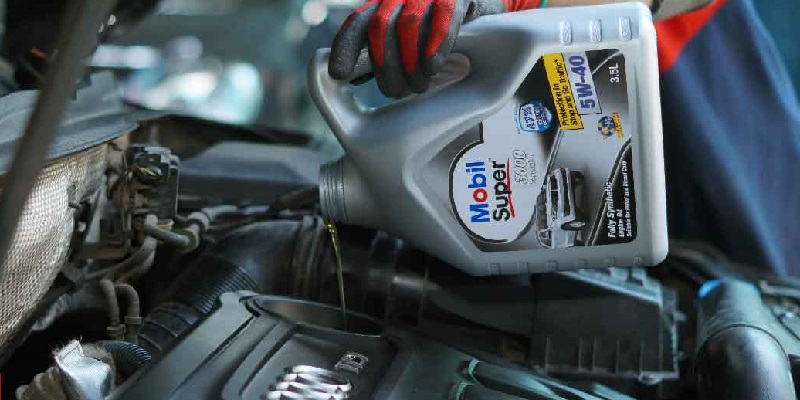
Probably the most important and at the same time the most frequently performed operation in a car maintenance regimen is the change of the engine oil and filter. The engine oil has a major role in the smooth running of the car by encapsulating the metal parts, diminishing friction, and preventing the engine from overheating. Gradually, oil carries with it impurities, and in the end, the engine requires an oil change.
When to check: Every 1,000 km, inspect the level and, if allowed by the automobile manufacturer’s instructions, replace the oil every 5,000–10,000 km.
Pro Tip: For the best results, use good-quality oil and always change the oil filter when you change the oil.
2. Coolant Level and Condition
The coolant system of your engine is necessary for the regulation of temperature inside the engine. If the coolant is low or is old, the car may overheat, which may lead to engine failure.
Look for:
- The coolant level should be checked in the expansion tank.
- The radiator or the hoses, if there are any small leaks, that cause the coolant to escape?
- The color of the coolant — if it is opaque or orange suggestively arising, suggesting a change in the coolant, is mandatory.
- Service interval: The need for change should be identified either after 30,000 km or as directed by the car manufacturer.
3. Battery Health and Terminals
A weak or dead battery is, generally, the main cause of the car being stranded on the side of the road. Regular battery health check assures you won’t need a jump start when least expected.
Bullet points:
- Check that the terminals of the battery are not being corroded by doing a thorough cleaning.
- The battery has to be tightly mounted on the car, so be on watch for it.
- Measure the voltage level, or better come to a mobile maintenance center, to undergo the load test, you'll know for sure what condition the battery is in.
Tip: The best is to replace the battery after 3–4 years or when the slow retesting of the engine is experienced.
4. Brake System
The brake system is the number one safety feature of your car. If you feel that the brakes are slow or hear some noise during braking, you should check the brakes right away without delay.
Inspect:
- Brake pads, rotors, and discs are part of the braking system for wear and tear.
- Brake fluid levels - If brake fluid is low, the car will lose its stopping power.
- Any brake noise or brake pedal abnormal movement.
Recommendation: Change brake pads at the latest between 25,000 and 50,000 km, depending on the driving habits of the car owner.
5. Tyres and Wheel Alignment
New tyres not only lead to safer driving but also better fuel economy and higher road grip. In addition, a particular uneven pattern of tyre wear may point to a fault in the vehicle's alignment or suspension system.
Check for:
- The pressure of the tyre (it is advisable to use the PSI suggested by the car manufacturer).
- The depth of the tread - old tyres must be changed in cases when the tread is under 1.6mm.
- Any damages, such as cracks, bulges, or holes.
- Offer of Service: Car wheel alignment and balancing by professionals should be done at regular intervals.
Pro Tip: The practice of rotating your tyres should be done every 10,000 km to maintain the pattern of wear and prevent the tyres from becoming worn unevenly.
6. Air Filter and Cabin Filter
Firstly, clean filters provide good air quality for the engine and the car user.
Air Filter: Catches all the dirt that gets into the engine; replacement every 15,000-20,000 km is advised.
Cabin Filter: A filter that prevents dust and other harmful agents from entering the car interior; it is replaced annually or when needed.
Suggestion: The progressive clogging of the filter may decrease the mileage and make your AC less efficient.
7. AC Service and Cooling System
The air conditioning in your car is not only for cooling, but also demists windows and keeps you comfortable.
Checklist:
- Check both the refrigerant level and the compressor function.
- Do a good clean of the AC vents and the evaporator.
- Test the belts for any cracks or looseness.
Service tip: It is better to have your AC serviced fully before the summer season to guarantee the best performance of the system.
8. Lights and Electrical Work
One of the checks done in a complete car service is a thorough check of all electrical systems.
Inspect:
- The headlights, brake lights, and indicators.
- Interior dashboard lights.
- Check the wiring harnesses for wear or any damage.
Pro Tip: Make sure that you replace the dim bulbs at once. Do not forget to have a fuse set in reserve to allow for easy replacement in case a fuse blows.
9. Transmission Fluid and Clutch
The smooth change of gears is the main reason for the proper maintenance of the transmission.
If the car is automatic, check the transmission fluid level and color (it should be pinkish-red).
In a manual car, make sure to check the clutch fluid and that the pedal feels normal.
Tip: To keep your gearbox in good condition, change the transmission fluid every 40,000–60,000 km.
10. Car Washing and Dry Cleaning
The good thing about a clean car is not only the beauty of it, but also the fact that it keeps the paint and underneath the car free from rust and dirt.
Checklist:
- Regular washing, which should include the undercarriage.
- Interior dry cleaning that can remove dust and bacteria.
- Every few months, use wax or polish on the car to maintain the shine.
Pro Tip: Take a professional detailing, which is done once or twice a year, for long-lasting protection of your car.
11. Suspension and Steering
If the ride is bumpy or your tires are wearing unevenly, it may be a sign of suspension problems.
Inspect:
- Shock absorbers for the leakage of oil.
- Steering for alignment and free movements.
- Do not forget to listen to any unaccustomed sounds that take place when going over bumps.
Recommendation: Have your suspension checked after every 20,000 km.
12. Exhaust System
The exhaust system is part of the car that is responsible for controlling emissions and helping the engine to work efficiently.
Check for:
- The case when the smoke coming from the car is not of a normal color, and the noise is too loud.
- Leaks or rust in the exhaust pipes.
- If the muffler is loose or if it is vibrating.
Pro Tip: Do not wait for the exhaust to leak and cause you
13. Wiper Blades and Washer Fluid
The driver’s visibility is a major factor for safety.
Checklist:
- Change your wiper blades every 6 to 12 months.
- Enable the car wash tank to hold enough liquid.
- Check the system for any nozzle blockages.
- Do not use water only because it will provoke mineral deposits that occur on the glass surface are very tricky to remove.
14. Car Denting, Painting, and Body Inspection
On the other hand, preventive measures such as regular checks for car scratches, dents, or rust will keep your car’s resale value as high as possible.
Checklist:
- Carefully check the car body for the early appearance of rust spots and paint damage.
- Do not let the dent develop into rust- get it fixed as soon as possible.
- Make sure that only authentic paint and the proper kind of coating are used during your car maintenance.
15. Accidental and Emergency Repairs
Besides regular maintenance, accidents are unavoidable. In case of accident repairs, be ready with a plan that includes home pickup and drop service or car towing from your trusted service center.
Tip: Why not go for a service center that not only offers 24/7 roadside assistance but is also available for insurance claim support?
16. Spare Parts and Accessories Check
Have a check and make sure the necessary car spare parts, such as belts, hoses, bulbs, and fuses, are either in good condition or in your toolkit, ready for use.
Tip: What is more, if you want reliability and warranty protection, always choose original spare parts that come from the manufacturer.
Final Thoughts: Keep Your Car in Top Shape
The good condition of a car is closely linked to safety, performance, and great peace of mind.
Following the car service checklist is the best way to keep the situation under control and to have a smooth driving experience.
Do not forget that preventative maintenance amounts are a fraction of the major repair amounts.
Make regular car service appointments; follow the maintenance schedule of your car manufacturer; and for the difficult repairs, leave it to the professionals you can trust.
A car is a daily necessity—a car that runs well, is always safe, and saves you from trouble and problems, so be sure that you do your part for the car with regular care and attention.
FAQs
1. How often should I get my car serviced?
The general recommendation is to have your car serviced at least once a year or every 10,000 to 12,000 miles (16,000 to 19,000 km), whichever comes first. However, the most accurate interval is always found in your vehicle owner's manual, as it is specific to your car's make, model, and engine type.
2. What is the difference between a minor and a major service?
-
Minor/Interim Service: Typically includes an oil and filter change, checking fluid levels (coolant, brake, etc.), and a visual inspection of key components like brakes, tires, and lights.
-
Major/Full Service: Includes everything in a minor service, plus a more comprehensive inspection and replacement of wear-and-tear items like air and fuel filters, spark plugs (if applicable), and a thorough check of the engine, transmission, and suspension systems.
3. How often should I check my oil and other fluids myself?
You should check your engine oil level and other essential fluids (like coolant and windshield washer fluid) at least once a month, and especially before any long road trips. Keeping fluids at the correct level is a simple way to prevent costly engine damage.
4. What are the signs that my car needs a service now?
Don't wait for your scheduled service if you notice:
-
A dashboard warning light (especially the "Check Engine" light)
-
Unusual noises (squealing brakes, grinding, clunking)
-
The car pulling to one side while driving
-
A noticeable reduction in fuel economy or engine power
-
Fluid leaks under the car
5. Why is regular tire rotation and pressure checking so important?
-
Tire Pressure: Correct pressure (found on a sticker inside the driver's door jamb, not the tire wall) ensures optimal handling, safety, and fuel efficiency, while preventing premature wear. Check it monthly.
-
Tire Rotation: This involves moving tires to different positions (e.g., front to back) to ensure they wear down evenly. This should be done every 5,000 to 8,000 miles to maximize tire lifespan.
Latest Posts
Top 7 Signs Your Car Needs Immediate Servicing
28 Aug, 2025
The Importance of Engine Oil Change – Don’t Skip It!
28 Aug, 2025
