- afzaalmotors1986@gmail.com


Engine Oil vs Coolant: Why Both Are Necessary for Your Car
Your car is not merely a machine—it is a sophisticated network of systems that are interconnected and work together to keep you driving safely and without any trouble. Among these, engine oil and coolant are the two substances that take on the most significant roles in securing the vehicle's performance and its staying power. Whereas both fluids aid in the regulation of the engine's health, they are completely different in terms of the functions they perform. Knowing how they function, their differences, and the reasons why both are necessary will definitely rescue you from the repair costs and also from getting stranded on the road.
We cover the whole matter of coolant versus engine oil in this blog. Additionally, we talk about what function these fluids perform, why they are both important, and what issues arise when one ignores either of them.
What Is Engine Oil?
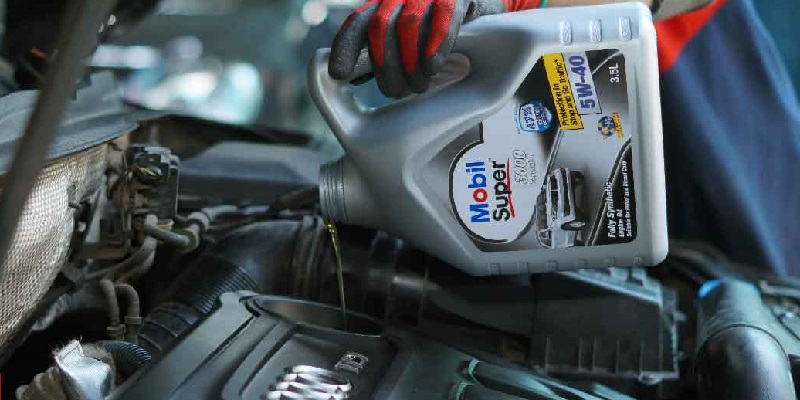
Engine oil, the common name being motor oil, is the essential fluid without which the vehicle engine would fail. Essentially, it lubricates the parts that are moving in the engine – pistons, crankshafts, valves, and any other mechanical parts that are subjected to high temperatures and pressure in the engine.
Functions of Engine Oil:
Lubrication: Fights the friction that occurs when metal parts rub against each other; thus, it also slows down the wear of metal parts.
Cooling: Engine oil can also provide limited cooling capacity. For example, it may be used in some car models to cool down the oil, turbochargers, or piston heads.
Cleaning: Moves along the pollutant particles, impurities, and carbon granules that attach to the mechanical parts, it picks them.
Protection: Covers the engine parts with a layer of film; thus, it prevents rust and other corrosion.
Sealing: Assists in keeping the engine tightly compressed.
By grinding your car components without the correct engine oil, parts will break, and your repair list will be a long and grabby one that will cost a fortune.
What Is Coolant?
Coolant or antifreeze is basically a fluid comprising equal parts of water and of either ethylene glycol or propylene glycol. By its very nature, coolant is responsible for heating the engine with a minimum of the heat produced in the engine absorbed and transferred to another source away from the engine block.
Functions of Coolant:
Temperature Regulation: The coolant in the engine helps to keep the engine from overheating during the hot periods and from freezing under cold weather conditions.
Corrosion Prevention: The coolant contains additives that are able to prevent the radiator and engine components from rusting and corroding.
Lubrication: It also lubricates the water pump and other parts of the cooling system with the coolant.
System Efficiency: The fuel efficiency and engine performance are maintained by the use of the coolant.
In case your vehicle is still running but without enough coolant, you may experience overheated engines resulting in warped cylinders, blown head gaskets, and complete engine failure.
What If You Ran a Car Without Oil or Cooling?
It can only crash hard if you drive your car without these two essential fluids. Let's inspect each case separately:
1. Operation Without Engine Oil
When there's no engine oil in the car, the metallic components inside the engine are rubbed against one another, since there is no lubrication. After a few minutes, you may hear:
-
Loud knocking or clunking noises
-
Smoke is coming from the engine
-
Burning smell
-
Engine seizure
The engine can become extremely hot and eventually seize without oil; very often, this situation is followed by a serious and heavy side of the story. Most of the time, it is followed by the necessity of a complete engine replacement.
2. Operation Without Cooling
Once the coolant is totally drained from the engine, the temperature will skyrocket very fast. Within a few minutes, you might notice:
-
Steam coming from the engine compartment
-
The temperature gauge is moving to red
-
Sweet smell (leaking antifreeze)
-
Dashboard warning lights
If allowed to persist, the overheating will eventually cause the metal parts to warp and the head gasket to blow—one of the costliest repairs on a car.
How Engine Oil and Coolant Work Together
Engine oil and coolant are two different things that work in different systems, but they are still very much related in that they are one of the main factors that keep an engine healthy. The oil is the one that takes care of the friction inside, while the coolant is the one that controls the temperature outside.
When both systems are working properly:
The oil is the one that makes the engine parts smooth and free of friction.
The coolant heats up by absorbing the heat from the combustion chamber and then removes it.
It is they that keep the engine at an optimal level of temperature, thus ensuring efficiency, fuel economy, and longevity.
Maintenance Tips for Engine Oil and Coolant
A vehicle needs to be kept by following a few very simple, yet effective, maintenance steps; in fact, this is the way it will keep its proper function:
For Engine Oil:
Every month, check the oil level with the dipstick.
Change the oil regularly as per the manufacturer’s schedules.
Make use of the right oil grade (synthetic, semi-synthetic, or conventional).
Do not forget to change the oil filter at every oil change.
Keep an eye on oil color and texture — if it should be milky or sludge-like, it might imply the coolant is leaking.
For Coolant:
Coolant level in the reservoir tank should be checked weekly basis.
Coolant replacement should be done every 2 or 3 years, with a proper coolant flush.
Check the radiator and hoses for any leakages or rust.
Stick with the proper coolant type (avoid mixing different colors or brands).
Don’t ever take off the radiator cap in a hot engine situation. Apart from the fact that the released steam can cause burns, it has high pressure!
Final Thoughts
The engine oil and the coolant are the main components of the car’s performance, reliability, and lifespan. On the one hand, the engine oil acts as a lubricant to reduce friction and wear in the parts; on the other hand, the coolant keeps the right temperature and prevents the engine from overheating. Neglecting either of them will result in a heavy blow to the engine and thus very costly repairs.
Think of engine oil and coolant as the heart and lungs of your car—both must be working properly for the vehicle to stay healthy. The minimal daily efforts of checking, refilling, and maintaining properly will eventually save you from big mechanical disasters.
FAQs
How often should I get my car serviced?
The recommended frequency is usually based on time or mileage, whichever comes first. Generally, it's recommended to have a full inspection and service every 12 months or 10,000 to 12,000 miles (check your car's owner's manual for the manufacturer's specific recommendation). You may also consider a minor service every 6 months or 5,000-6,000 miles.
What does a standard car service include?
A typical service includes checks on essential components such as engine oil, filters (oil, air, cabin), all fluid levels (coolant, brake, power steering), brakes, suspension, steering, lights, tires, and a general safety inspection.
What is the difference between car washing and dry cleaning/detailing?
Car Washing typically involves cleaning the exterior, often with a quick interior vacuum. Dry Cleaning and Detailing is a much more thorough, deep clean of both the exterior and interior, often including deep cleaning seats and carpets, polishing the exterior paint, and conditioning interior surfaces.
What electrical problems can you fix?
We handle a wide range of car electrical work, including diagnosing and repairing issues with wiring, fuses, alternators, starters, lights, power windows/locks, and dashboard warning lights.
What is car battery charging service?
Battery charging service involves connecting your battery to a specialized charger to fully restore its power. This is useful if the battery is healthy but has been drained.
Latest Posts
Top 7 Signs Your Car Needs Immediate Servicing
28 Aug, 2025
The Importance of Engine Oil Change – Don’t Skip It!
28 Aug, 2025
